Overview
Large gatherings need restroom plans that account for peak periods, multiple zones, servicing during the event, and accessibility.
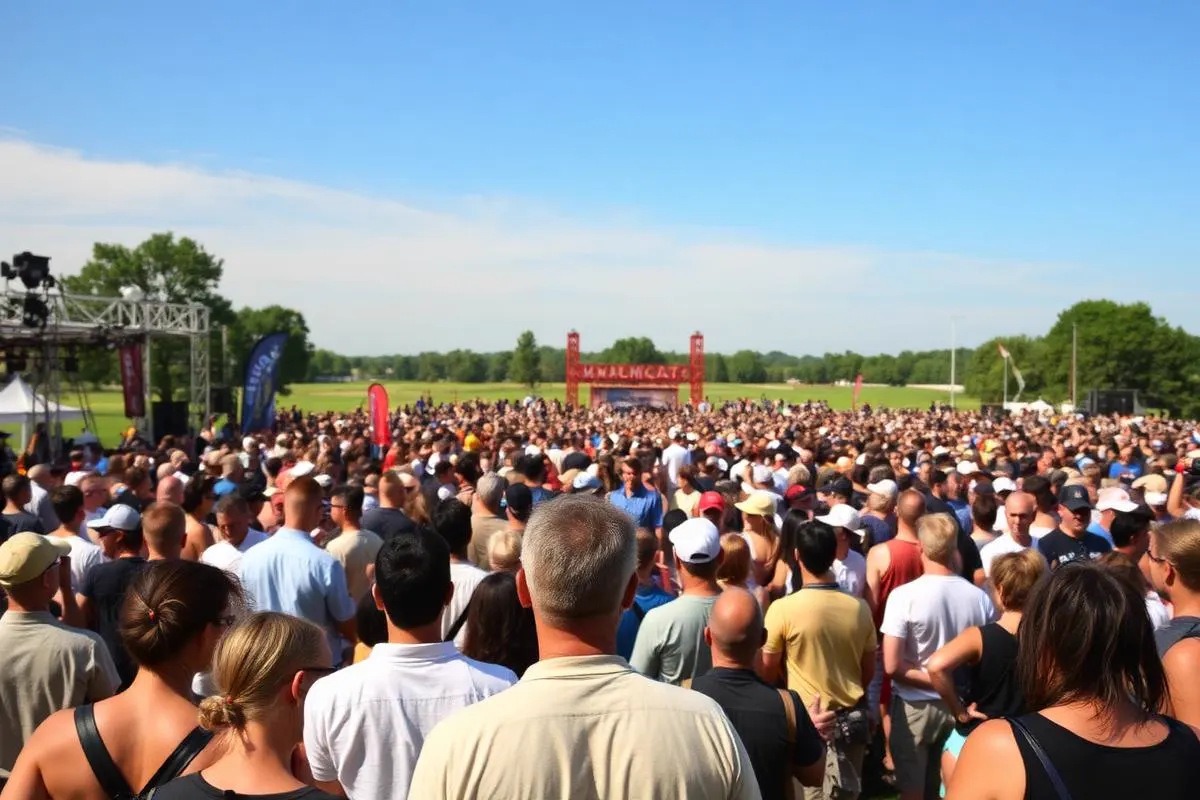
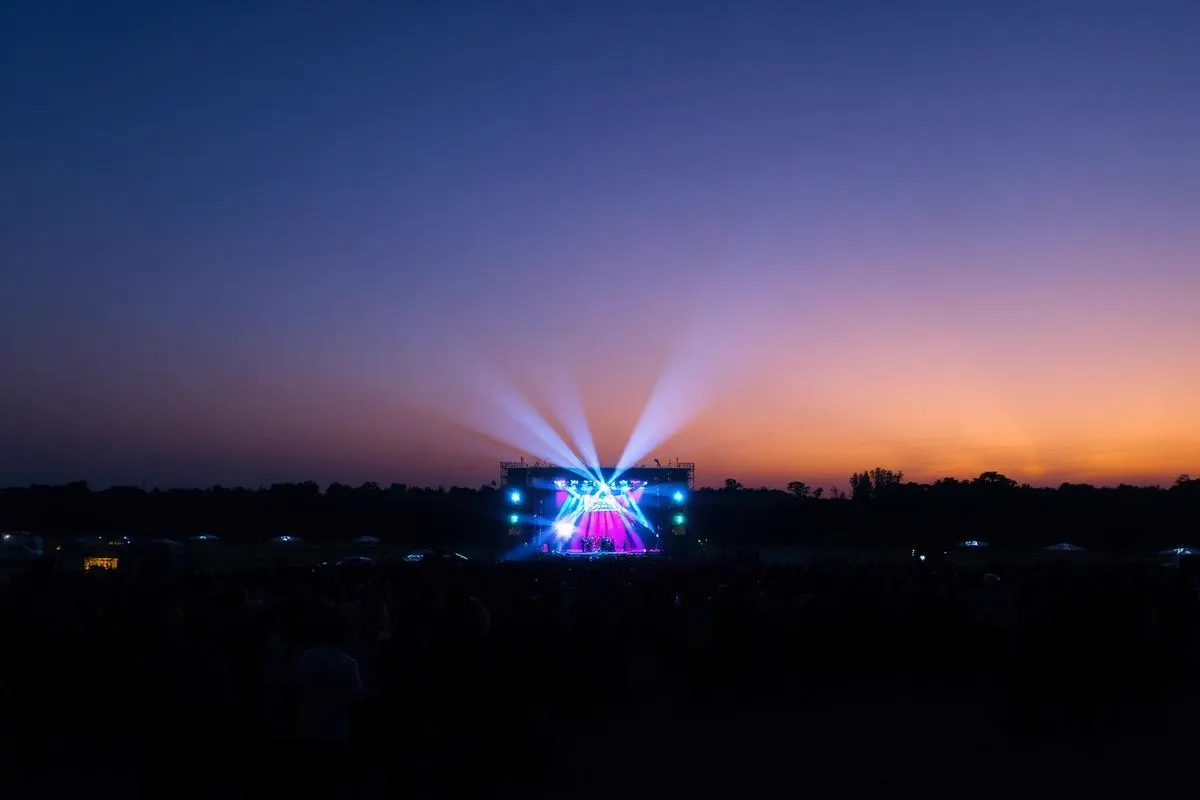
At festival scale, restrooms stop being an item on a rental order and become part of crowd flow. Where units sit determines where people walk, where lines form, and which corners of the site get congested.
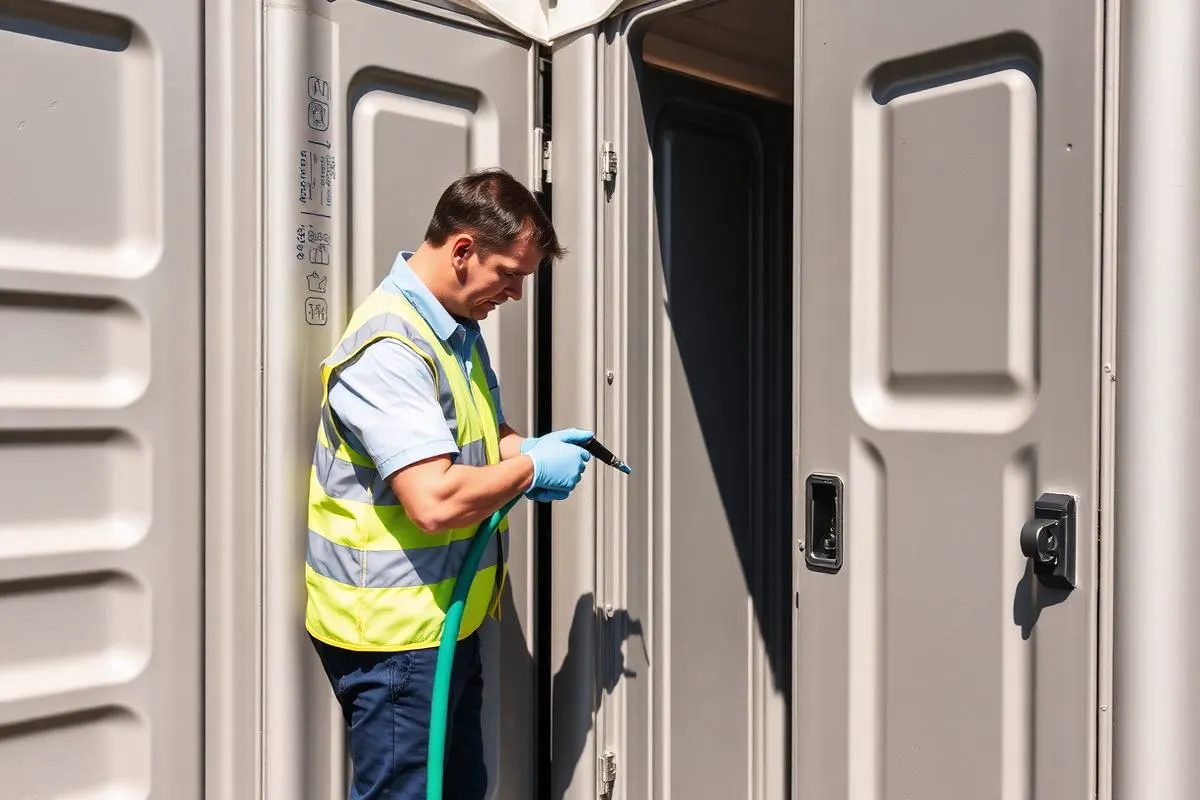
The planning also has to cover the event while it is running. Multi-day and long single-day events need servicing, restocking, and a truck route built into the plan, not arranged after the fact.
Key Information
Plan for peaks, not averages
Restroom demand spikes between performances, sessions, and meal breaks.
An average across the day will always understate what happens in the fifteen minutes after a set ends. Plan for the busiest window and the rest of the day takes care of itself.
Bar service pushes those peaks later and makes them larger, so evening capacity often needs to exceed afternoon capacity at the same event.
Use multiple restroom zones
Spreading units across the site keeps walking distances and queues manageable.
Three moderate clusters generally outperform one large bank of the same total count, because demand splits instead of concentrating at a single point.
Place a cluster near each major draw: the entrance, the food and dining area, and the main stage or activity area, keeping all of them clear of food preparation.
Schedule servicing during the event
Multi-day events need servicing between days or during low-traffic periods.
Overnight or early-morning visits work best, and they only work if a truck can reach every cluster without crossing guest areas.
Restocking is part of this. Paper supplies at a busy festival will not last a full weekend without attention.
Separate crew and vendor facilities
Dedicated units for staff keep public capacity available for attendees.
Crew, volunteers, vendors, and performers are on site far longer than any guest, and they will use whatever is closest unless something is set aside for them.
A small set of units behind the vendor line or near the production area is usually enough and keeps public clusters from absorbing that traffic.
Practical Guidance
The larger the event, the more value there is in getting these details onto the site map early.
- Provide a site map with your request
- Identify service vehicle access routes
- Plan lighting for evening restroom areas
- Confirm accessible routes across the whole site
- Plan capacity for the busiest window, not the daily average
- Include accessible units at more than one restroom zone
- Add handwashing stations along every food vendor row
Signage is the cheapest improvement available at festival scale. Guests who can see where the restrooms are spread themselves across clusters instead of piling onto the first one they find.
For unit options and multi-zone planning, see event restroom rentals. The guide on how many units you need covers the capacity math in more detail.
Building the Site Map
Restroom zones are easiest to get right while the map is still on paper.
Entrance zone
Catches arrivals and takes pressure off clusters deeper in the site.
Dining zone
Close to where guests eat, well clear of food preparation, with handwashing stations alongside.
Main stage zone
Sized for the surge between sets and positioned off the primary crowd flow lines.
Vendor and crew zone
A separate set behind the vendor line keeps public capacity available to guests.
Service truck route
A path to every zone that does not cross guest areas, usable overnight or during quiet periods.
Accessible capacity
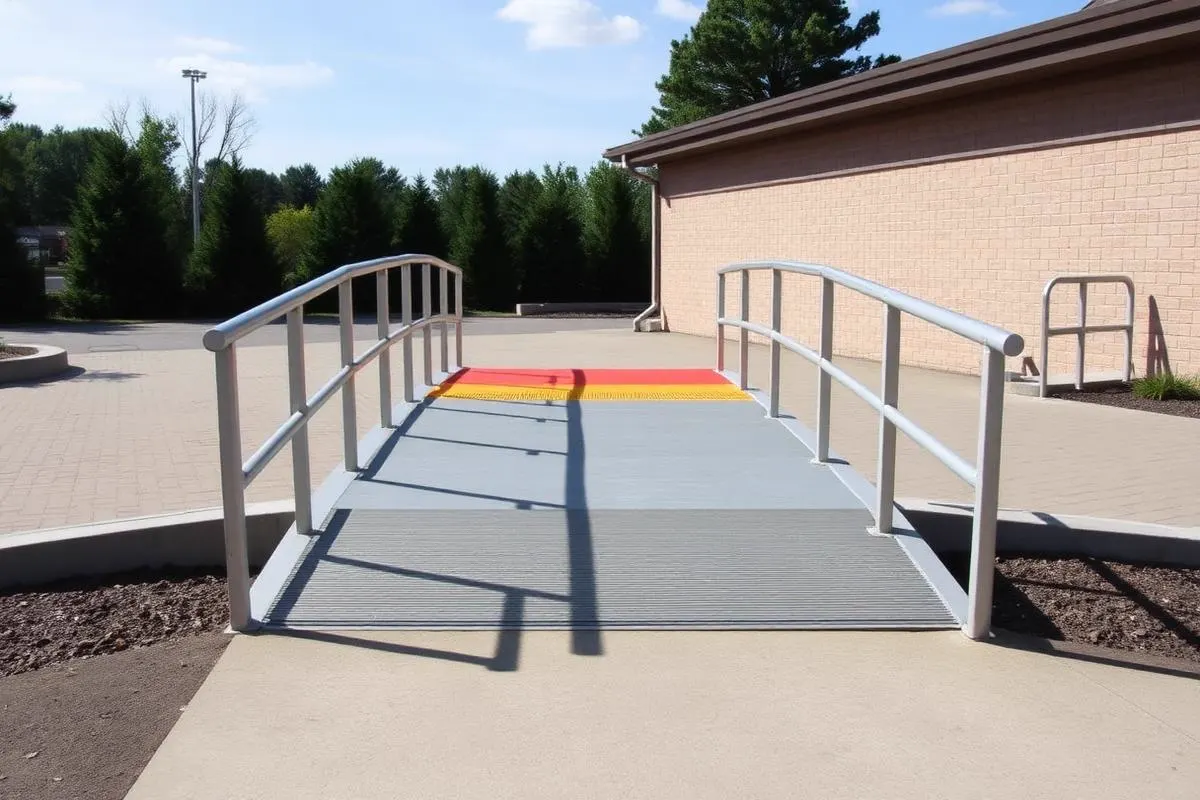
Included at more than one zone, each with a firm, level, well-lit approach.
Related Services
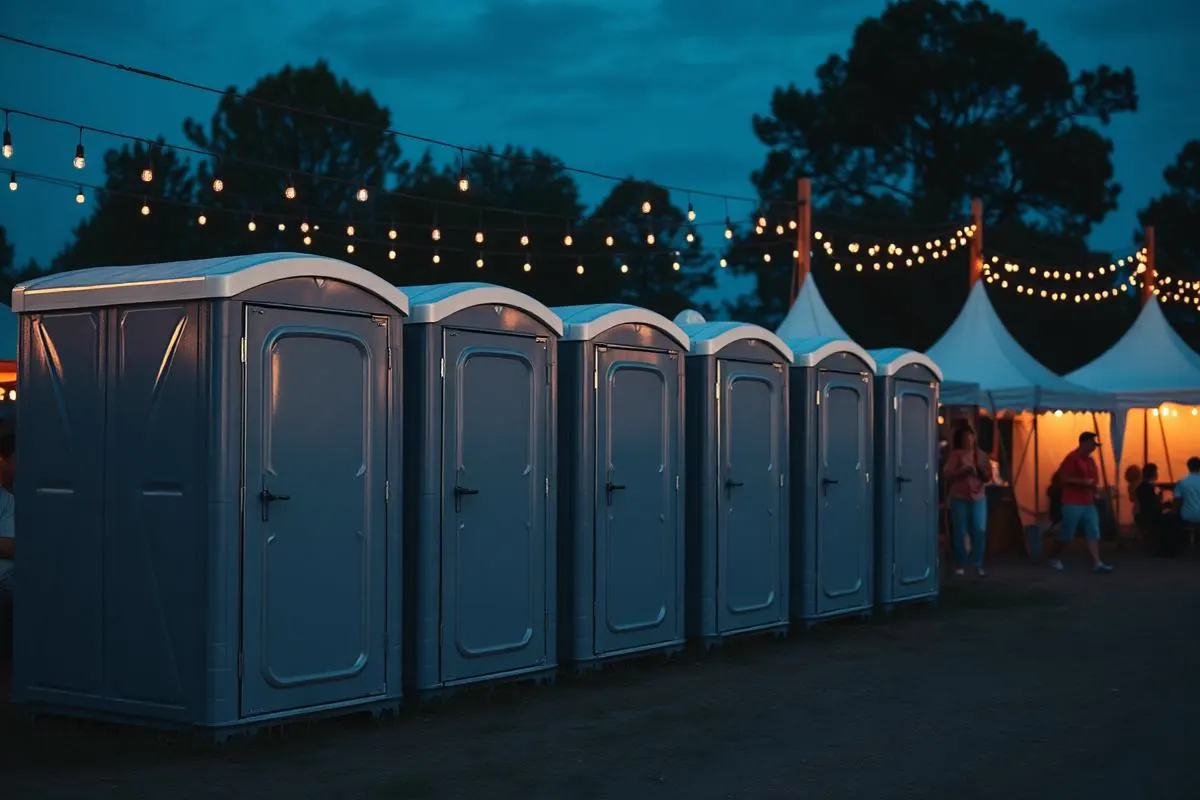
Event Portable Restroom Rentals
Restroom coverage sized to your guest count, schedule, and venue layout.
Learn more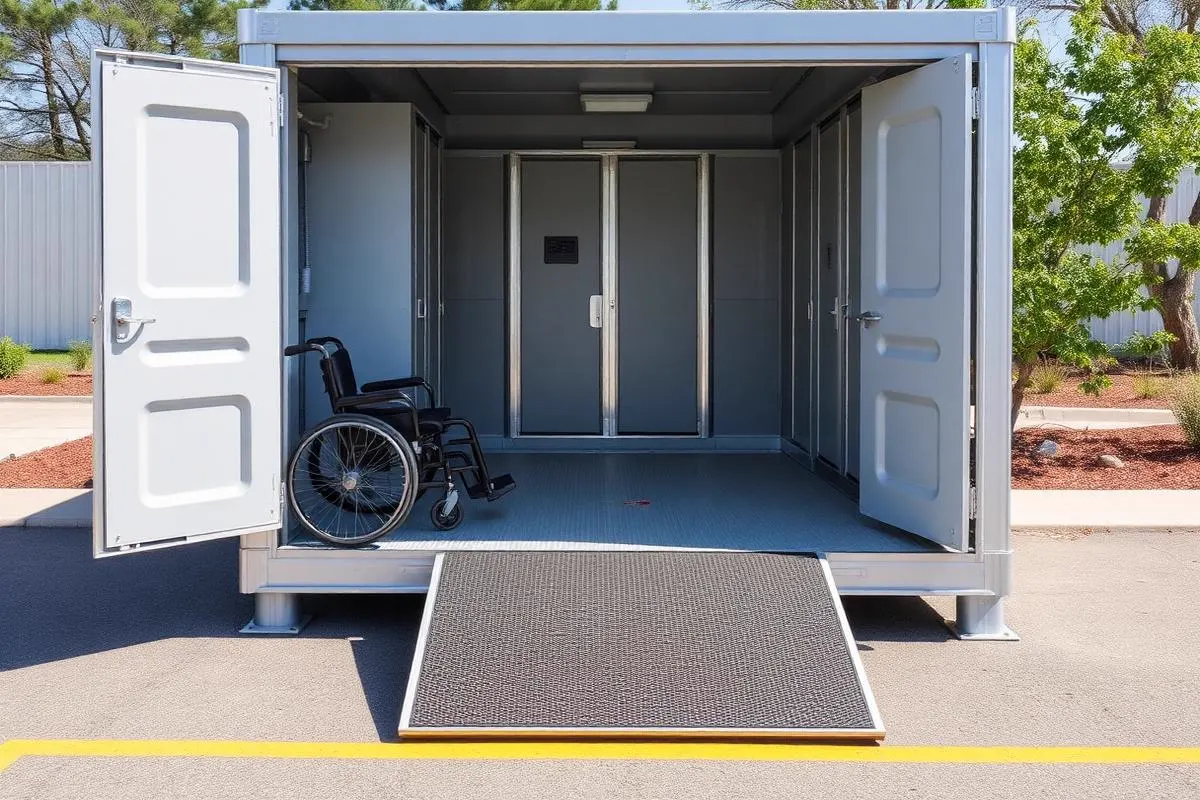
ADA-Accessible Toilet Rentals
Spacious ground-level units designed for wheelchair and mobility access.
Learn more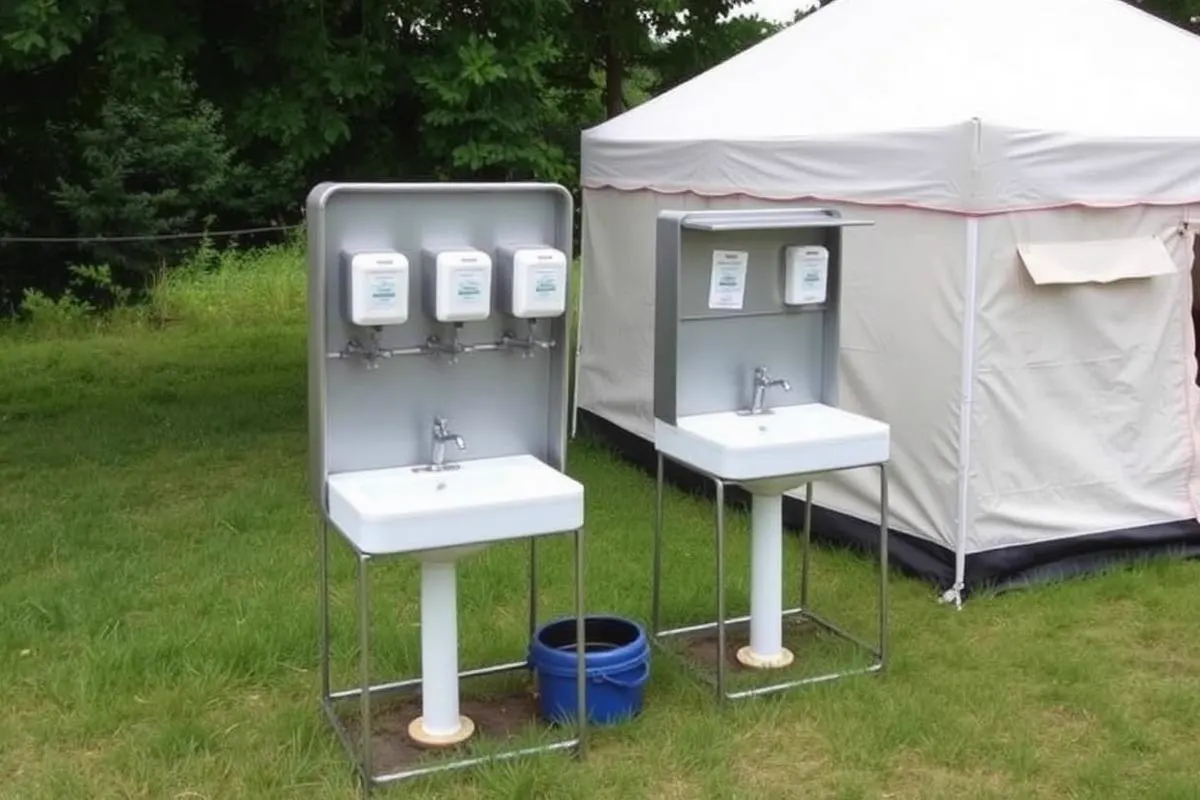
Portable Handwashing Station Rentals
Freestanding handwashing stations to pair with any restroom setup.
Learn moreRelated Locations
This guidance applies across our service area, including Jacksonville, Jacksonville Beach, St. Augustine, and Orange Park.
Common Questions
Can servicing happen while the event is running?
Yes, and it is often necessary. We schedule visits for low-traffic windows.
How early should large events book?
As early as possible, since large orders and peak weekends are scheduled well in advance.
Related Information
Continue with more rental planning resources, browse our full service list, or read frequently asked questions.